Why and How to Drain Your Water Heater

Essential Maintenance Tips for Homeowners

As a home inspector, I’ve seen firsthand how routine maintenance can prevent costly repairs and extend the life of your home’s essential systems. One of the most overlooked but crucial tasks is draining your water heater. In this post, I’ll explain why this maintenance step is important and walk you through how to do it safely and effectively.

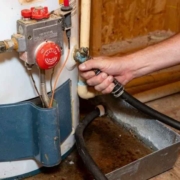
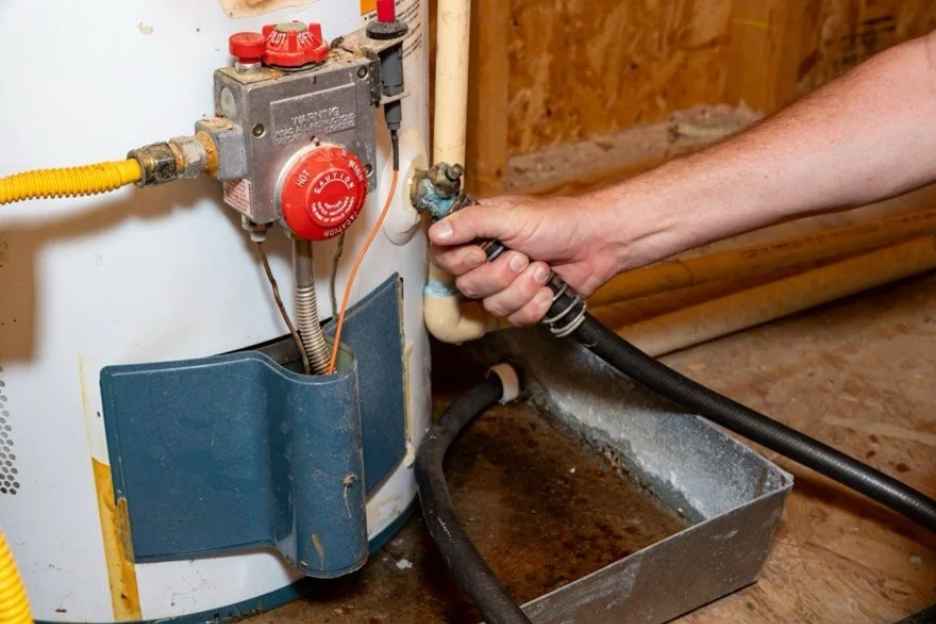
Attaching a garden hose to a water heater for draining.

Why Drain Your Water Heater?

Your water heater works hard every day to provide hot water for showers, laundry, and dishwashing. Over time, however, minerals and sediment from your water supply settle at the bottom of the tank. If left unchecked, this buildup can:

Reduce efficiency

Sediment creates a barrier between the heating element and the water, causing the heater to work harder and use more energy.

Shorten lifespan

Over time, excess sediment can lead to overheating, corrosion, and even premature tank failure.

Cause noises

Popping or rumbling sounds from your water heater are often signs of sediment buildup.

Reduce the hot water supply

Sediment takes up space, leaving less room for hot water, which means you’ll run out faster during daily use.

Regular maintenance, including draining your water heater, helps keep your system running efficiently and can save you money on energy bills and unexpected repairs.

How Often Should You Drain Your Water Heater?

Most home inspectors recommend draining your water heater at least once a year. If you live in an area with hard water, or if you notice signs of sediment buildup (such as strange noises or reduced hot water), consider doing it more frequently. Every six months is a good rule of thumb.

How to Drain Your Water Heater: Step-by-Step

Draining your water heater is straightforward, but it’s important to follow the proper steps for safety and effectiveness. Here’s a guide any homeowner can follow:

  • Turn off the power or gas supply: For electric water heaters, switch off the breaker at your electrical panel. For gas models, turn the thermostat to the “pilot” setting.
  • Shut off the cold water supply: Locate the cold water valve at the top of the heater and turn it off.
  • Connect a garden hose to the drain valve. It’s usually near the bottom of the tank. Run the hose to a floor drain, driveway, or suitable area where hot water won’t cause damage.
  • Open a hot water faucet: Turn on a hot water tap somewhere in your home. This helps prevent a vacuum in the lines and allows the tank to drain more smoothly.
  • Open the drain valve: Carefully open the valve and let the water flow out. Be cautious as the water may be very hot!
  • Flush the tank (optional but recommended): Once the tank is empty, briefly turn the cold water supply back on to stir up and remove any remaining sediment. Let it run until the water flows clear, then shut off the valve.
  • Close the drain valve and remove the hose: Make sure the valve is closed securely to prevent leaks.
  • Refill the tank: Open the cold water supply valve. When water flows steadily from the hot water tap you opened earlier, turn it off.
  • Restore power or gas: For electric heaters, switch the breaker back on. For gas models, return the thermostat to the normal setting.

Tips from a Home Inspector

Always check your manufacturer’s instructions before beginning any maintenance.

If you’re uncomfortable performing this task, consider hiring a qualified plumber or ask your home inspector for recommendations.

Regular maintenance not only extends the life of your water heater but can also highlight potential issues before they become major problems.

Summary

Taking the time to drain your water heater is a small step that greatly helps protect your home’s comfort and value. As a home inspector, I recommend that every homeowner include this simple maintenance task on their yearly checklist for worry-free hot water year-round.

At Sky Blue Inspections, we are trained to identify these issues during home inspections. Any problems are documented and recommended for resolution by a qualified professional.

Visit our website to learn more or to schedule your home inspection in the Rochester, Owatonna, and Faribault, MN areas. You can contact us today at 651-675-8895, email us, or use our online “Schedule Now” feature to schedule an appointment.

Make Home Maintenance Your New Year’s Resolution for 2026

The new year is the perfect time to set goals, and what better goal than taking better care of your home? You don’t need to tackle everything at once. Start with a plan, stick to it, and remember: the internet is full of resources to guide you. Do your homework and be honest about your skill level before diving into any project.

Start with a Home Inspection

Think like a home inspector. If you’ve had an inspection before, pull out that report. It’s a great roadmap. Walk through your home and check the same areas: structure, systems, and safety. Make notes and prioritize what you find. Break it down into “must do,” “should do,” and “nice to do.” Factor in costs and set a realistic budget.

Build an Emergency Repair Fund

Homeownership comes with surprises. Setting aside 1% to 3% of your home’s value each year for maintenance and repairs can save you stress down the road. Even a small monthly contribution adds up and helps you handle unexpected expenses without breaking the bank.

Keep Your HVAC in Shape

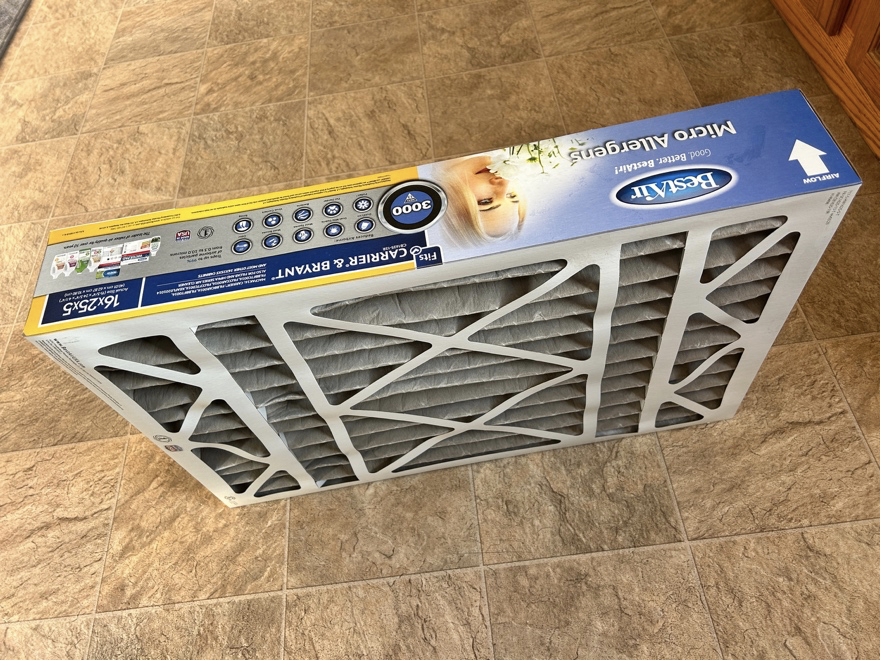
Your heating and cooling systems work hard so don’t ignore them. Schedule annual maintenance to keep them running efficiently. A neglected system costs more to operate and can fail when you need it most. Change filters on schedule, too. Dirty filters restrict airflow, raise energy bills, and shorten equipment life. Stock up so you’re never caught without one.

Clean That Dryer Vent

A clogged dryer vent isn’t just inefficient; it’s a fire hazard. Clean it at least once a year, or more often if your dryer cycles are getting longer. If the vent is hard to reach, hire a pro.

Test Smoke and CO Detectors

Safety first. Test your smoke and carbon monoxide detectors regularly, replace batteries, and swap out units every 7 to 10 years. Too many homes still have detectors well past their expiration date.

Check Gutters and Downspouts

Water is your home’s enemy. Clean gutters and make sure downspouts direct water away from the foundation. If your roof is steep or high, hire a professional. Remember: one inch of rain on 1,000 square feet equals about 630 gallons of water. Don’t let that pool near your house!

Inspect Doors, Windows, and Seals

Drafty doors and windows waste energy. Check seals and replace any that are worn or damaged. A simple smoke stick or lighter flame can help you spot leaks.

Deep-Clean Kitchen Appliances

Pull out your appliances and clean underneath. Dust refrigerator coils for better efficiency, run your oven’s cleaning cycle, and wash vent filters. These small steps keep your kitchen running smoothly.

Keep an Eye on Your Roof

Inspect your roof after storms and in the spring. Look for damaged shingles and remove debris. If climbing up isn’t safe, use binoculars from the ground. Address issues early as they only get worse with time.

Maintain Your Fireplace

Wood-burning fireplaces need annual cleaning and inspection. Gas units should be serviced yearly, too. It’s about efficiency and safety.

Trim Trees and Shrubs

Branches rubbing against siding or shingles can cause damage and give critters a path to your roof. Trim annually, especially in late fall or winter when trees are bare.

Summary

Regular maintenance protects your biggest investment and saves money in the long run. Plus, you’ll pick up new skills and get the satisfaction of a job well done. If something looks off, fix it now—problems don’t solve themselves.

At Sky Blue Inspections, we are trained to look for these issues when inspecting a home. Any problems are documented and recommended for resolution by a qualified professional.

Visit our website for more information or to schedule your home inspection in Burnsville, MN, and the southern metro areas, from Chaska to Hastings. You can also contact us today at 652-675-8895, by email, or use our online “Schedule Now” feature to set up an appointment.
How to Get Rid of Condensation on Windows During the Minnesota Winter

As a seasoned home inspector in Minnesota, I often see homeowners worried about condensation forming on their windows during the cold winter months. While this is a common occurrence, it can lead to more serious problems if left unchecked, such as mold growth and wood rot. In this blog post, I’ll explain why condensation happens, its potential risks, and practical steps you can take to reduce it, all from a professional home inspection perspective.

What Causes Condensation on Windows?

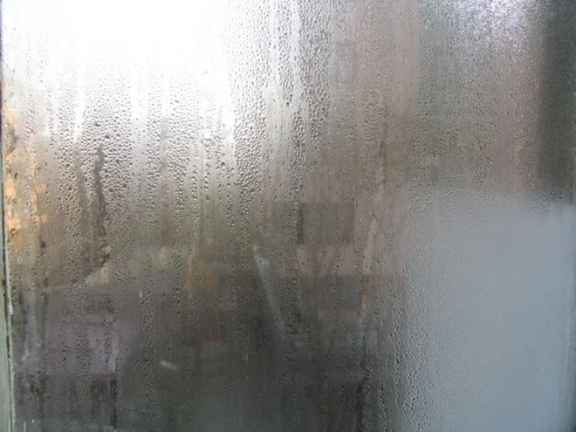
Condensation happens when warm, moist indoor air comes into contact with cold window glass, causing water droplets to form on the surface. Minnesota’s cold winters make this more noticeable due to the large temperature difference between inside and outside. Factors that lead to condensation include high indoor humidity, poor ventilation, and inefficient windows.

Why Should You Be Concerned About Condensation?

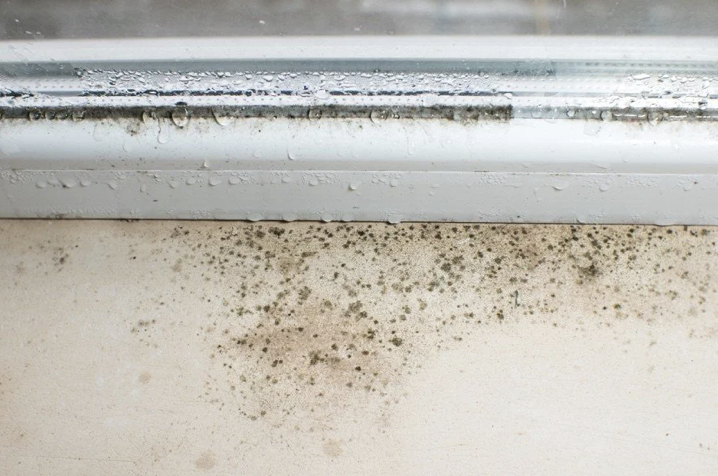
During a home inspection, noticeable condensation on windows often indicates underlying problems. Ongoing moisture can damage window frames, encourage mold and mildew growth, and eventually weaken your home’s structure. Fixing condensation isn’t just about looks, it’s about keeping a healthy living space and safeguarding your investment.


Mold/mildew on a window frame and sill

Home Inspector Tips to Reduce Condensation on Windows

Monitor Indoor Humidity

  • Use a hygrometer to keep your home’s humidity levels between 30% and 50%.
  • Higher humidity increases the chance of window condensation, especially when outside temperatures drop.

Improve Ventilation

  • Run exhaust fans in bathrooms and kitchens and make sure your home’s ventilation system works properly. Good air circulation helps remove excess moisture and reduces condensation.

Use a Dehumidifier if your humidity levels are too high.

  • In areas prone to high humidity, especially basements and bedrooms, a dehumidifier can be very helpful. It pulls moisture from the air, helping prevent condensation.

Upgrade Your Windows

  • Older single-pane windows are often seen as a main cause.

Seal Leaks and Insulate

  • Check for drafts near windows and doors. Properly sealed and insulated windows not only save energy but also help cut down condensation by reducing cold spots.

Open Blinds and Curtains

  • While it might seem odd, leaving window coverings open allows warm air to move across the glass, lowering the risk of condensation buildup.

Summary

Condensation on windows is a common problem for Minnesota homeowners every winter. By understanding the causes and using these home inspector-approved strategies, you can keep your windows clear and your home healthy. For peace of mind, consider scheduling a home inspection to address any remaining moisture issues before they become major problems.

At Sky Blue Inspections, our home inspectors are trained to examine the windows, their function, and identify any defects. Any issues are documented in your home inspection report, with recommendations for repair by a qualified professional. Visit our website to learn more or to schedule your home inspection

Our inspectors proudly serve the South Metro and surrounding areas. To learn more or to schedule your home inspection, contact us today at 651-675-8895 or utilize our online “Schedule Now” feature to set up an appointment.
How to Properly Maintain Your Wooden Windows to Prevent Moisture and Damage

Wooden windows add classic charm and warmth to any home, but they need regular maintenance to stay at their best. Wooden windows can suffer from moisture damage without proper care, leading to rot, warping, and costly repairs. In this post, Sky Blue Inspections will share the best tips for maintaining wooden windows, helping protect your investment and keep your home in great shape.

Below is a photo of a window (left) pointed out in an inspection report. On the right is the same window four months later, showing ongoing moisture damage and organic growth.

Why Maintenance Matters for Wooden Windows

Wood is a natural material that expands and contracts with temperature and humidity changes. When neglected, wooden frames can absorb moisture, leading to paint peeling, wood swelling, and eventually rotting. Moisture damage not only affects the appearance of your windows but also reduces your home’s energy efficiency and structural strength. Regular maintenance is essential to prevent these problems and extend the life of your wooden windows.

Key Steps to Maintain Your Wooden Windows

Regular Cleaning

Dust and dirt can trap moisture against wood. Clean your windows and frames with a soft cloth and mild detergent at least twice a year. Avoid harsh chemicals that can strip away protective finishes.

Check for Signs of Moisture Damage

Inspect the frames for peeling paint, discoloration, or soft spots. These indicate water infiltration. Detecting issues early helps prevent minor problems from becoming major repairs.

Maintain Paint and Finish

A fresh coat of paint or sealant serves as a barrier against moisture. Repaint or reseal your wooden windows every few years, or whenever the finish starts to wear thin.

Seal Gaps and Cracks

Use weatherstripping or caulk to seal gaps between the window frame and the wall. This prevents water from seeping in during rainstorms and also enhances insulation.

Ensure Proper Drainage

Ensure the windowsills slope away from the house and that the drainage holes are unobstructed. Blocked drainage causes standing water, which speeds up moisture damage.

Control Indoor Humidity

High indoor humidity can lead to condensation on windows, causing moisture issues. Use dehumidifiers, especially in kitchens and bathrooms, and ensure good ventilation throughout your home.

How to Repair Minor Moisture Damage

If you find small patches of rot or moisture damage, act quickly. Remove any loose or rotten wood, treat the area with a wood preservative, and fill gaps with epoxy wood filler. Once dry, sand it smooth and repaint or reseal to restore protection.

When to Call a Professional

While routine maintenance can prevent most problems, severe rot or structural damage might need professional repair or replacement. If you’re unsure about how serious the damage is, consult a qualified window specialist to evaluate and suggest the best solution.

Summary

Proper maintenance is the best way to prevent moisture damage in your wooden windows. By following these simple steps, you’ll keep the beauty and efficiency of your home’s windows for years. Regular care not only saves money on expensive repairs but also keeps your home a comfortable, safe, and welcoming space.

At Sky Blue Inspections, we are trained to look for these issues when inspecting a home. Any problems are documented and recommended for resolution by a qualified professional.

Visit our website for more information or to schedule your home inspection in Burnsville, MN, and the southern metro areas, from Chaska to Hastings. You can also contact us today at 652-675-8895, by email, or use our online “Schedule Now” feature to set up an appointment.