Why Home Inspectors Flag Aluminum Branch Wiring—and What Homeowners Can Do

Understanding the Risks and Solutions for Aluminum Wiring in Residential Properties

If you’re a homeowner or looking to purchase a home built between the mid-1960s and late 1970s, you might hear your home inspector raise concerns about aluminum branch wiring. While aluminum wiring was once considered a cost-effective alternative to copper, it has since been identified as a potential safety hazard in residential electrical systems.

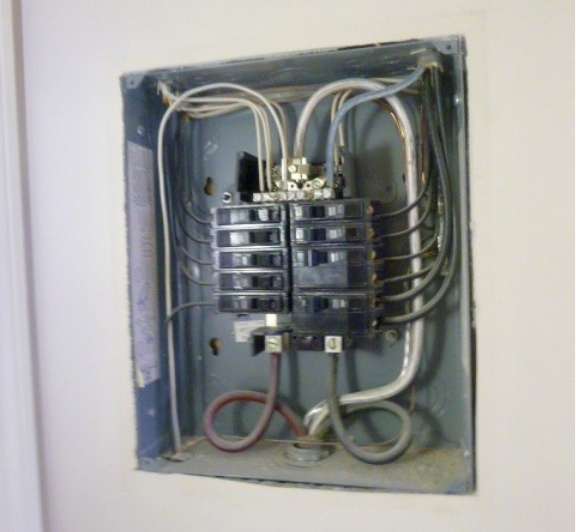
No aluminum branch wiring found in this mid 70’s panel

In my 23 years as a home inspector, I can say that I have come across fewer than a handful of homes with aluminum wiring. All except one were resolved with updated breakers and receptacles.

Why Is Aluminum Branch Wiring Unsafe?

Aluminum wiring is more susceptible to certain issues compared to its copper counterpart. Over time, aluminum expands and contracts more than copper, which can cause connections to loosen at outlets, switches, and junction boxes. These loose connections can lead to overheating, sparking, and, in worst-case scenarios, fire. Additionally, aluminum is prone to oxidation, which increases resistance and further elevates the risk of overheating.

Safety and Regulatory Context

  • Fire Risk: The U.S. Consumer Product Safety Commission (CPSC) reports that homes with pre-1972 aluminum branch wiring are 55 times more likely to have fire hazards than those with copper, primarily due to overheating at connection points.
  • 1972 Alloy Change: In 1972, the formula for aluminum wiring was changed to a safer alloy, though its use for branch circuits still declined shortly thereafter.
  • Insurance & Inspections: Many modern insurance companies in Minnesota may refuse coverage or charge higher premiums for homes with uncorrected aluminum wiring.

How Home Inspectors Identify the Issue

During a home inspection, a qualified home inspector will examine visible wiring at the electrical panel and inside receptacle boxes. They’ll look for markings that indicate aluminum wiring, such as “AL” or “ALUMINUM” printed on the wire sheathing. If aluminum wiring is present, they’ll note it in their report and recommend further evaluation by a licensed electrician.

Resolving Aluminum Wiring Problems

Fortunately, homeowners have several options to manage the risks linked to aluminum branch wiring. The most thorough solution is to rewire the home with copper, which effectively removes the issue. However, rewiring can be expensive and disruptive. An alternative method is using “alumiconn” or “copalum” crimp connectors, which are approved techniques for creating safe connections between aluminum and copper wiring at outlets and switches. These repairs should always be carried out by a licensed electrician experienced in aluminum wiring remediation.

Breakers and Receptacles Approved for Aluminum Wiring

Besides connection methods, home inspectors often closely examine circuit breakers and receptacles when aluminum branch wiring exists. Not all electrical devices are made to safely handle aluminum conductors, and using incompatible parts can greatly raise the chances of overheating and failure.

Certain circuit breakers are specially rated for aluminum wiring and are marked accordingly by the manufacturer. These breakers are designed to accommodate aluminum’s expansion, contraction, and oxidation properties. If aluminum branch wiring is connected to breakers that are not approved for aluminum conductors, inspectors will usually recommend evaluation and correction by a licensed electrician.

Similarly, standard outlets and switches are typically designed for copper wiring only. Devices approved for use with aluminum wiring are clearly marked with labels such as “CO/ALR” (Copper-Aluminum Revised). These receptacles and switches are built with materials and contact designs that help prevent loosening, arcing, and overheating when used with aluminum conductors. Older devices without this rating are a common concern during inspections.

It’s important to understand that simply installing aluminum-rated breakers or CO/ALR devices does not eliminate all risks related to aluminum branch wiring. These components are part of a broader safety approach and work best when used alongside approved connection methods, like proper pigtailing with listed connectors. Any upgrades or replacements should always be handled by a qualified electrician experienced with aluminum wiring systems.

Summary

If your home inspector flags aluminum branch wiring, don’t ignore the recommendation. Addressing this issue proactively can protect your property, ensure the safety of its occupants, and may be required for certain home insurance policies. Always consult with a qualified professional when dealing with aluminum wiring in your home.

At Sky Blue Inspections, we are trained to identify these issues during home inspections. Any problems are documented and recommended for resolution by a qualified professional.

Visit our website to learn more or to schedule your home inspection in the Rochester, Owatonna, and Faribault, MN areas. You can contact us today at 651-675-8895, email us, or use our online “Schedule Now” feature to schedule an appointment.

Tags: Water heater maintenance, Home inspection service Burnsville MN, Draining water heaters, Homeowner tips Burnsville MN, Home Maintenance tips Lakeville, Home inspection service Farmington, Home Inspector Apple Valley

Dirty Furnace Air Filters: A Common Issue Found During Burnsville, MN Home Inspections

As a professional home inspector in Burnsville, MN, I frequently encounter heating issues that could have been easily prevented. One of the most common, and often overlooked, problems is a dirty furnace air filter. Even though it’s a small component, a clogged filter can cause significant performance, safety, and comfort concerns in homes.

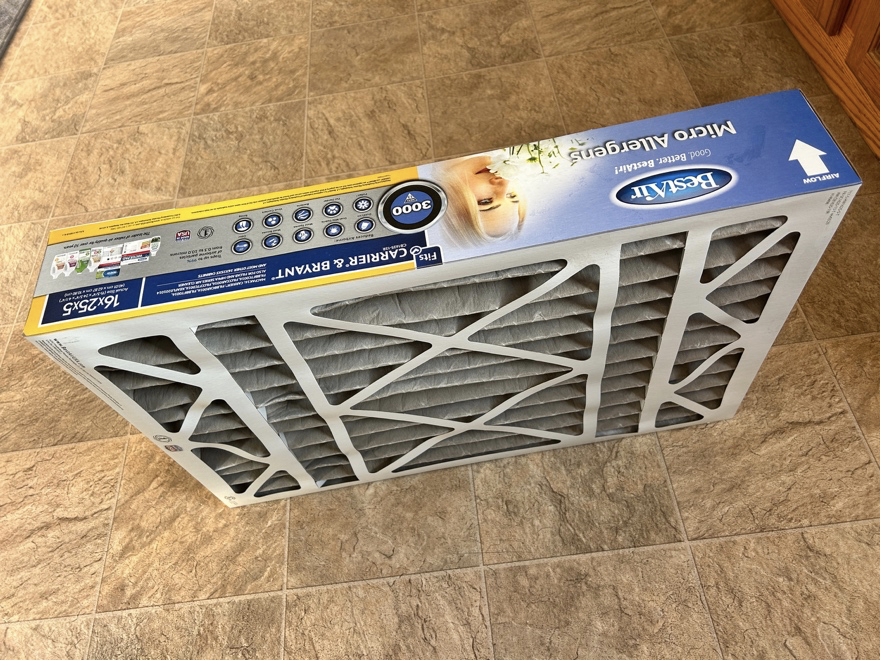
air filters

During a typical home inspection, furnace air filters are often overdue for replacement, especially in older homes or properties with pets, renovations, or high dust levels.

Why Furnace Air Filters Matter

Minnesota’s climate places heavy demands on heating systems, especially during the long winter months.

A furnace air filter plays a critical role by:

  • Allowing proper airflow through the heating system
  • Trapping dust, allergens, and debris
  • Protecting internal furnace components

When the filter becomes dirty, these functions are compromised—something a trained home inspector can quickly identify during an inspection.

Common Problems Caused by a Dirty Furnace Air Filter

Poor Heating Performance and Cold Rooms

Restricted airflow is often linked to uneven heating. Homeowners may notice:

  • Cold spots in bedrooms or basements
  • Weak airflow from vents
  • Longer furnace run times

These problems are especially common in older homes.

Higher Energy Bills During Winter

A clogged furnace air filter causes the system to work harder to heat your home. In Minnesota, where heating costs are already high, this can lead to significantly higher utility bills during the winter.

From a home inspection perspective, this is one of the simplest maintenance issues with a big financial impact.

Furnace Overheating and Safety Shutoffs

Many modern furnaces will shut down automatically if airflow is restricted and internal temperatures rise too high.

During a home inspection, this may present as:

  • Frequent furnace cycling
  • Unexpected shutdowns
  • Error codes or service warnings

Repeated overheating can reduce the lifespan of the furnace and result in expensive repairs.

Reduced Indoor Air Quality

Homes often deal with airborne pollutants from traffic, construction, and seasonal allergens. A dirty furnace air filter allows these particles to circulate freely throughout the home.

Home inspectors often hear complaints about:

  • Excess dust accumulation
  • Allergy or asthma symptoms
  • Stale or musty indoor air

Replacing the furnace air filter regularly enhances indoor air quality and occupant comfort.

Added Wear on Furnace Components

When airflow is restricted, the blower motor must work harder. Over time, this added strain can result in:

  • Premature blower motor failure
  • Increased repair costs
  • Noisy furnace operation

During a home inspection, worn furnace parts are often caused by poor filter maintenance.

Increased Risk of Heat Exchanger Damage

One of the most serious concerns a home inspector watches for is excessive heat buildup in the furnace. Poor airflow caused by a dirty furnace air filter can contribute to heat exchanger stress.

A damaged heat exchanger presents a serious safety risk and might necessitate replacing the entire furnace—a costly issue that could be prevented.

How Often Should Furnace Air Filters Be Changed?

Based on typical conditions, most homeowners should replace their furnace air filter:

  • Every 1–3 months during the heating season
  • More frequently, if you have pets or allergies
  • At a minimum, before winter begins

During a professional home inspection, I also suggest verifying the correct filter size and rating for your particular furnace.

Summary:

A dirty furnace air filter is a small issue that can lead to big problems—especially during Burnsville’s cold winters. From a home inspector’s perspective, it’s one of the easiest maintenance tasks homeowners can handle to prevent comfort issues, high energy bills, and unexpected furnace repairs.

At Sky Blue Inspections, our home inspectors are trained to examine bathroom venting, their function, and identify any defects. Any issues are documented in your home inspection report, with recommendations for repair by a qualified professional. Visit our website to learn more or to schedule your home inspection

Our inspectors proudly servethe South Metroand surrounding areas. To learn more or to schedule your home inspection, contact us today at651-675-8895or utilize our online “Schedule Now” feature to set up an appointment.

How to Get Rid of Condensation on Windows During the Minnesota Winter

As a seasoned home inspector in Minnesota, I often see homeowners worried about condensation forming on their windows during the cold winter months. While this is a common occurrence, it can lead to more serious problems if left unchecked, such as mold growth and wood rot. In this blog post, I’ll explain why condensation happens, its potential risks, and practical steps you can take to reduce it, all from a professional home inspection perspective.

What Causes Condensation on Windows?

Condensation happens when warm, moist indoor air comes into contact with cold window glass, causing water droplets to form on the surface. Minnesota’s cold winters make this more noticeable due to the large temperature difference between inside and outside. Factors that lead to condensation include high indoor humidity, poor ventilation, and inefficient windows.

Why Should You Be Concerned About Condensation?

During a home inspection, noticeable condensation on windows often indicates underlying problems. Ongoing moisture can damage window frames, encourage mold and mildew growth, and eventually weaken your home’s structure. Fixing condensation isn’t just about looks, it’s about keeping a healthy living space and safeguarding your investment.


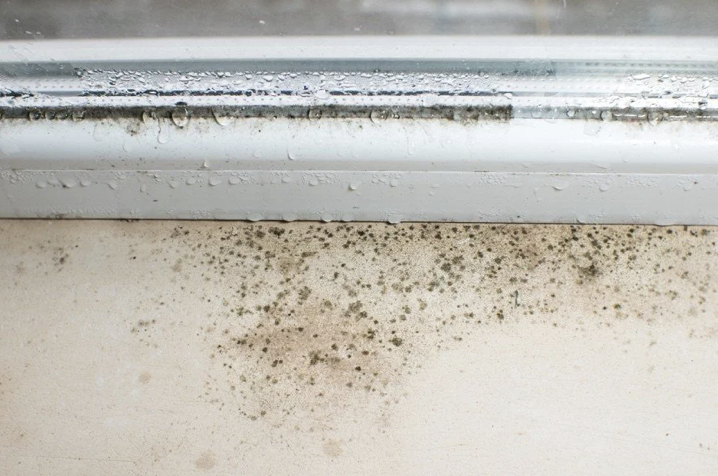
Mold/mildew on a window frame and sill

Home Inspector Tips to Reduce Condensation on Windows

Monitor Indoor Humidity

  • Use a hygrometer to keep your home’s humidity levels between 30% and 50%.
  • Higher humidity increases the chance of window condensation, especially when outside temperatures drop.

Improve Ventilation

  • Run exhaust fans in bathrooms and kitchens and make sure your home’s ventilation system works properly. Good air circulation helps remove excess moisture and reduces condensation.

Use a Dehumidifier if your humidity levels are too high.

  • In areas prone to high humidity, especially basements and bedrooms, a dehumidifier can be very helpful. It pulls moisture from the air, helping prevent condensation.

Upgrade Your Windows

  • Older single-pane windows are often seen as a main cause.

Seal Leaks and Insulate

  • Check for drafts near windows and doors. Properly sealed and insulated windows not only save energy but also help cut down condensation by reducing cold spots.

Open Blinds and Curtains

  • While it might seem odd, leaving window coverings open allows warm air to move across the glass, lowering the risk of condensation buildup.

Summary

Condensation on windows is a common problem for Minnesota homeowners every winter. By understanding the causes and using these home inspector-approved strategies, you can keep your windows clear and your home healthy. For peace of mind, consider scheduling a home inspection to address any remaining moisture issues before they become major problems.

At Sky Blue Inspections, our home inspectors are trained to examine the windows, their function, and identify any defects. Any issues are documented in your home inspection report, with recommendations for repair by a qualified professional. Visit our website to learn more or to schedule your home inspection

Our inspectors proudly serve the South Metro and surrounding areas. To learn more or to schedule your home inspection, contact us today at 651-675-8895 or utilize our online “Schedule Now” feature to set up an appointment.